R Ashwin – अरुण जेटली स्टेडियम की उस आखिरी दो गेंदों में जो हुआ, वो सिर्फ एक tactical mistake नहीं थी… वो decision-making का crash course था। और शायद इसी वजह से रविचंद्रन अश्विन ने इसे इतनी सीधी, almost brutal भाषा में dissect किया।
क्योंकि यहां बात सिर्फ “एक रन लेने” की नहीं थी—यहां बात थी game awareness की।
19.4 ओवर—जहां मैच practically जीत में बदल सकता था
Scene को एक बार फिर सेट करते हैं:
| स्थिति | स्कोर |
|---|---|
| ओवर | 19.4 |
| DC | 209/7 |
| टारगेट | 211 |
| जरूरत | 2 रन (2 गेंद) |
अब यहां options क्या थे?
Simple math:
एक रन → मैच बराबर → आखिरी गेंद पर 1 रन चाहिए
या
दो रन → मैच खत्म
लेकिन Miller ने क्या किया?
आसान single मना कर दिया
यहीं से कहानी पलटी।
अश्विन का point—logic vs instinct
Ashwin का reaction raw था, लेकिन उसमें logic साफ था।
उन्होंने कहा:
“अगर मैं कुलदीप होता… मैं धक्का मार के भेज देता।”
ये exaggeration नहीं था—ये frustration था।
उनका core argument:
अगर 4 या 6 चाहिए होते → single मना करना समझ आता
लेकिन 2 रन चाहिए थे → single सबसे safe option था
क्यों?
क्योंकि:
| scenario | outcome |
|---|---|
| single लेते | score level (210) |
| last ball | 1 रन → जीत, 0 → super over |
मतलब worst-case scenario भी game alive रहता।
Miller का mindset—hero बनना या game जीतना?
अब थोड़ा Miller के perspective से देखें।
वो set थे
Confidence high था
Finisher की reputation थी
ऐसे में अक्सर player सोचता है:
“मैं खत्म करूंगा।”
और honestly, यही mindset उन्हें “killer Miller” बनाता है।
लेकिन problem ये है:
हर situation same template follow नहीं करती
ये वो moment था जहां ego नहीं, equation important थी।
आखिरी गेंद—pressure का असली चेहरा
Prasidh Krishna ने जो किया, वो underrated है।
Slower bouncer
perfect execution
Miller miss
और फिर panic:
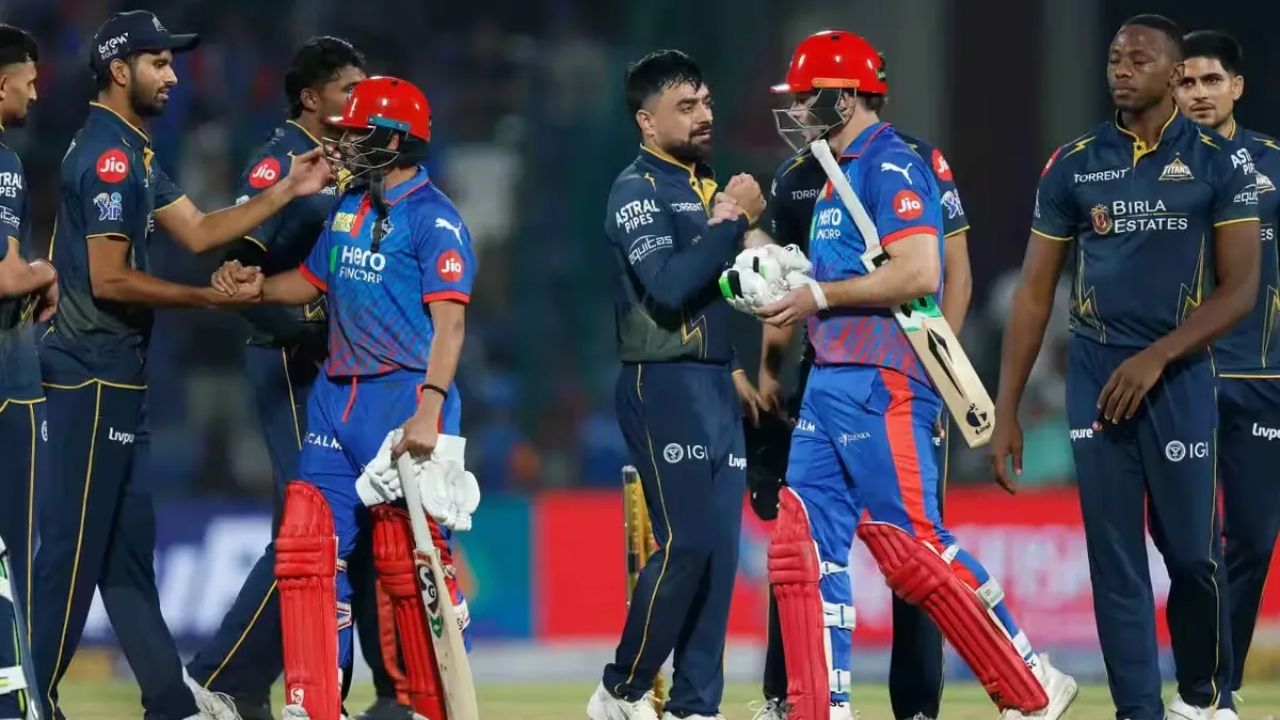
Kuldeep run के लिए भागे
Buttler का direct hit
Game over।
ये sequence बताता है कि pressure सिर्फ batsman पर नहीं होता—decision chain पर होता है।
एक गलत decision → domino effect
Ashwin क्यों इतने critical थे?
Ashwin सिर्फ ex-player नहीं हैं—वो game thinker हैं।
उनका analysis हमेशा थोड़ा “ahead of the curve” होता है।
इस case में उनका frustration इसलिए भी था क्योंकि:
ये mistake basic level की थी
ये scenario practice में बार-बार discuss होता है
और IPL level पर ये expected नहीं है
उनका पूरा point एक लाइन में:
“Game awareness missing थी”
क्या Miller पूरी तरह गलत थे?
अब थोड़ा balance भी जरूरी है।
Cricket black & white नहीं है।
Miller ने:
Match almost खींच लिया था
Pressure absorb किया था
और intent clear था
Sunil Gavaskar ने भी यही कहा—intent पर सवाल नहीं है।
लेकिन:
intent सही होना ≠ decision सही होना
ये दोनों अलग चीजें हैं।
Modern T20—जहां margins microscopic हैं
आज के T20 में:
1 decision = match result
क्यों?
High scoring games
Better death bowling
Data-driven strategies
मतलब margin अब skill नहीं—decision-making तय करता है।
Kuldeep यादव—silent victim
इस पूरी कहानी में एक character थोड़ा overlooked है—Kuldeep।
Non-striker end पर:
Limited control
High pressure
और आखिरी में run-out
Ashwin का “धक्का मार देता” वाला comment थोड़ा humorous था, लेकिन उसमें एक truth छुपा है—
non-striker भी situation पढ़ता है, लेकिन control striker के पास होता है
Jos Buttler—final nail
ये भी irony है कि match की शुरुआत और अंत दोनों में Buttler involved थे।
Start:
Powerplay में destruction
End:
Direct hit run-out
ये complete performance था—और शायद यही difference बना।
Bigger picture—DC के लिए क्या lesson?
इस loss से Delhi को क्या सीख मिलती है?
Situational awareness > individual brilliance
Communication critical है
Pressure में simple decisions ही काम आते हैं
IPL में talent हर टीम के पास है—लेकिन जीत वही team करती है जो moments सही handle करती है।