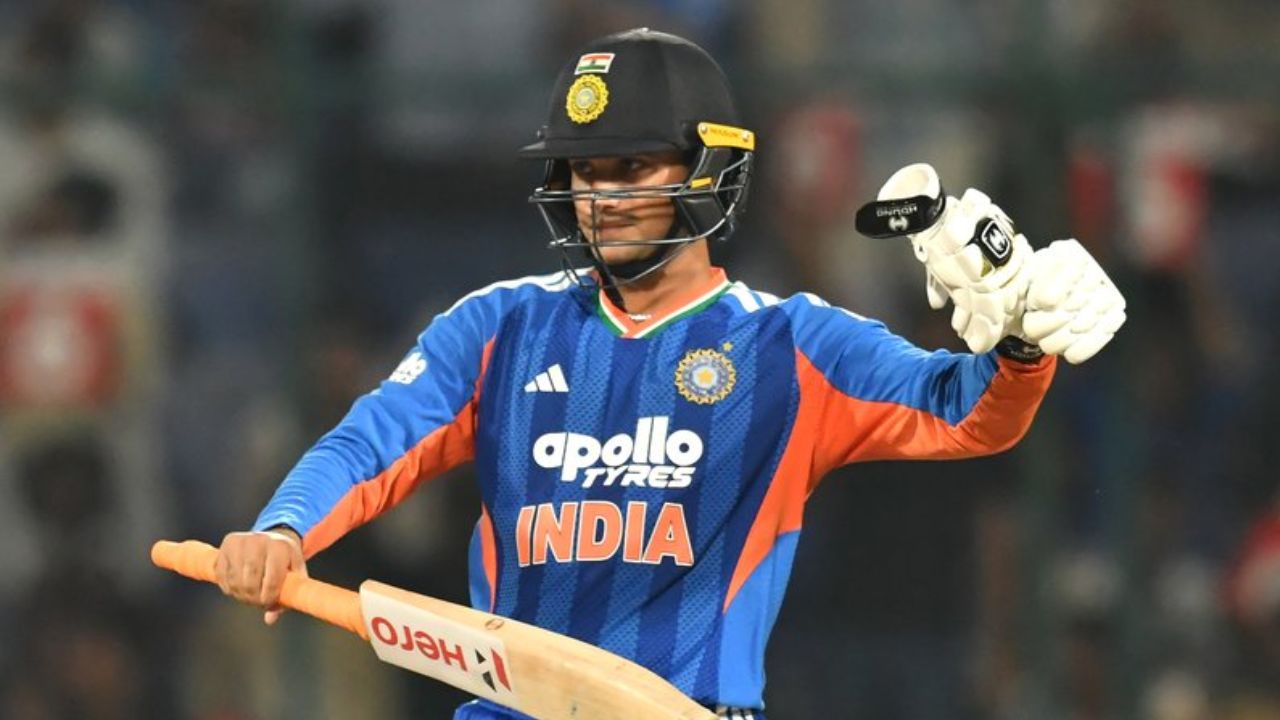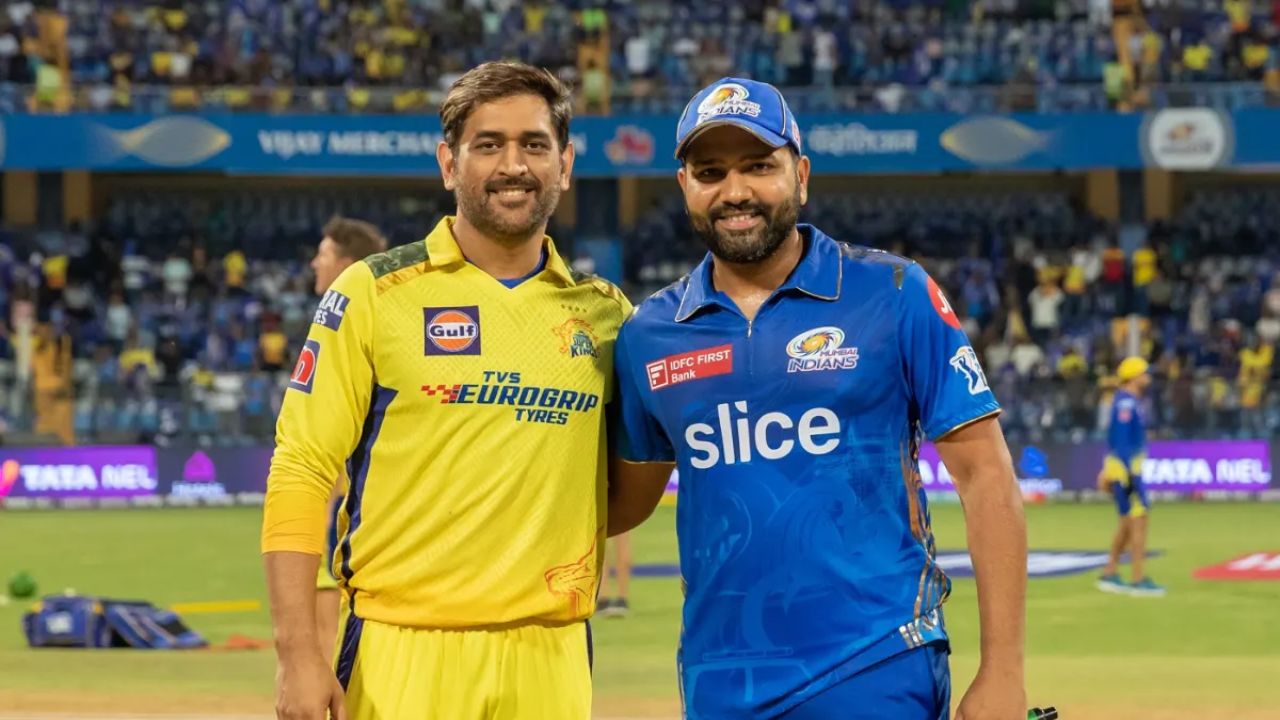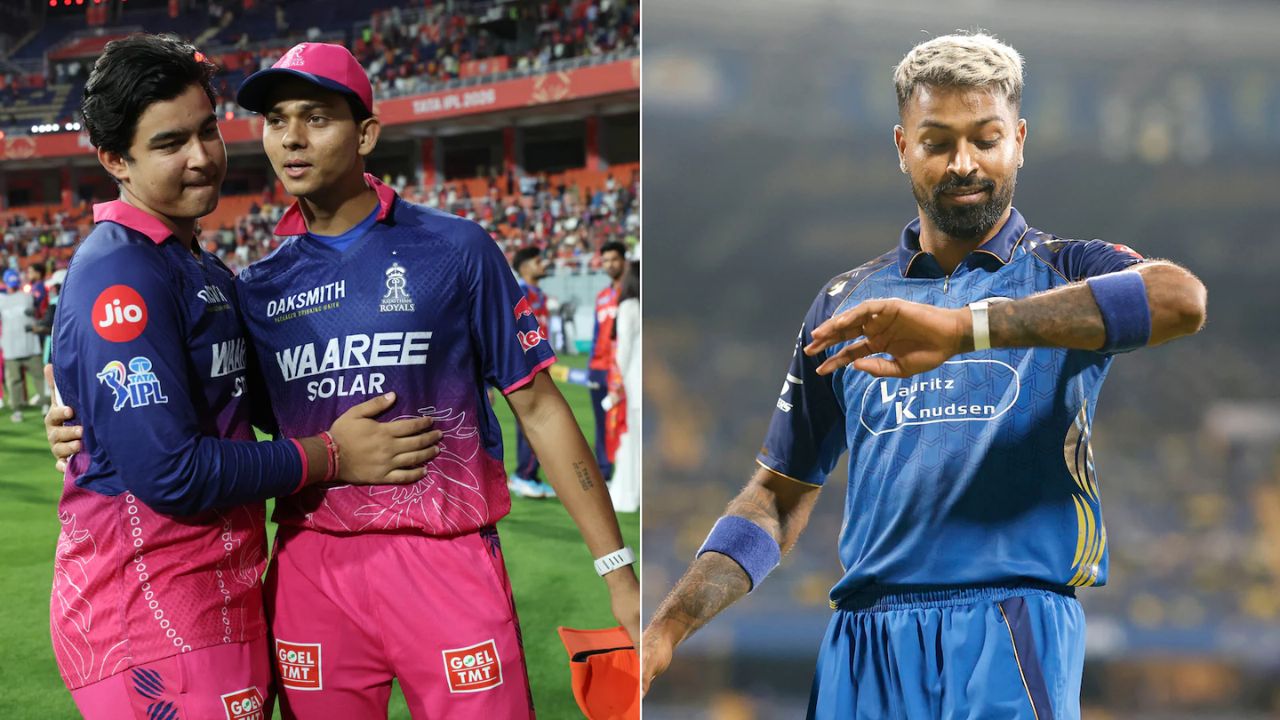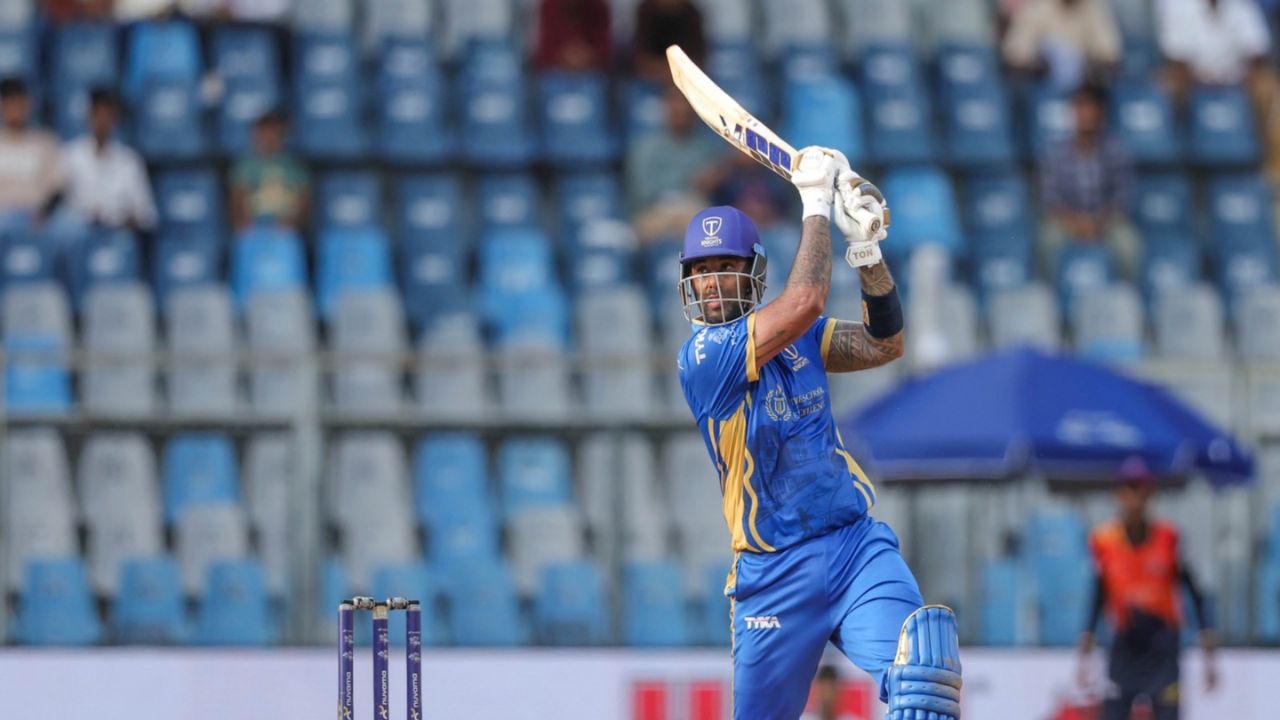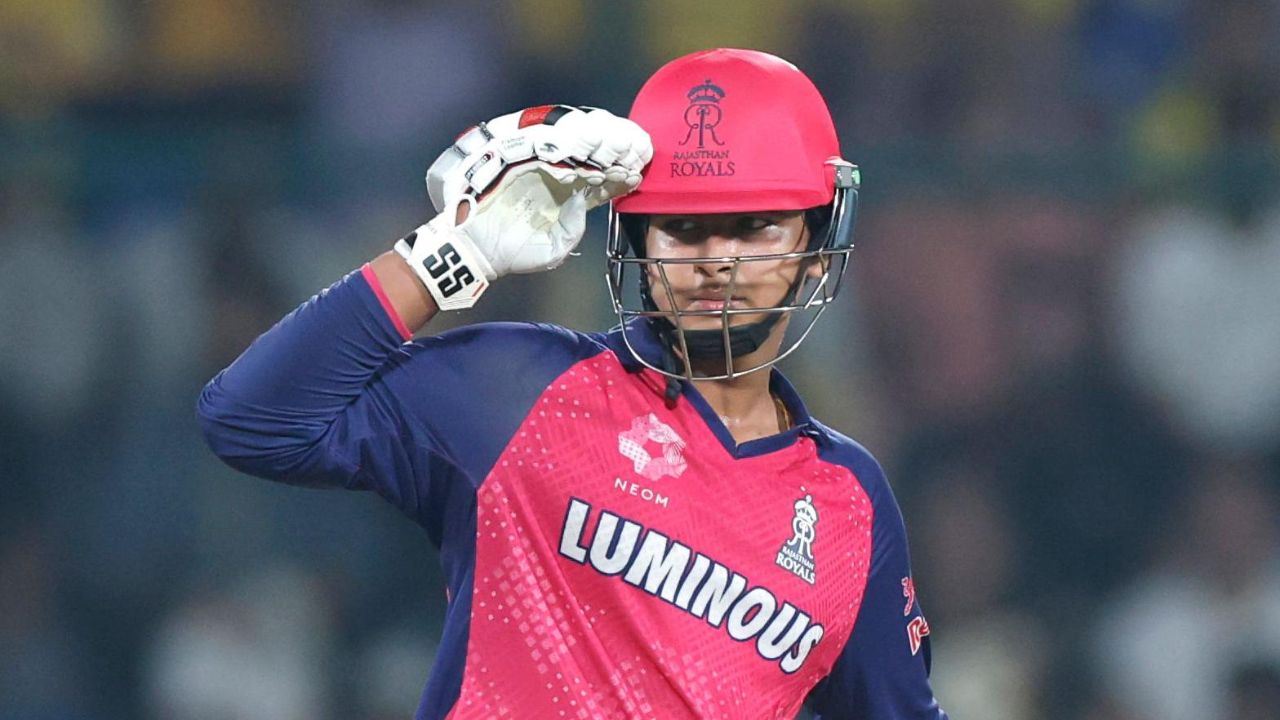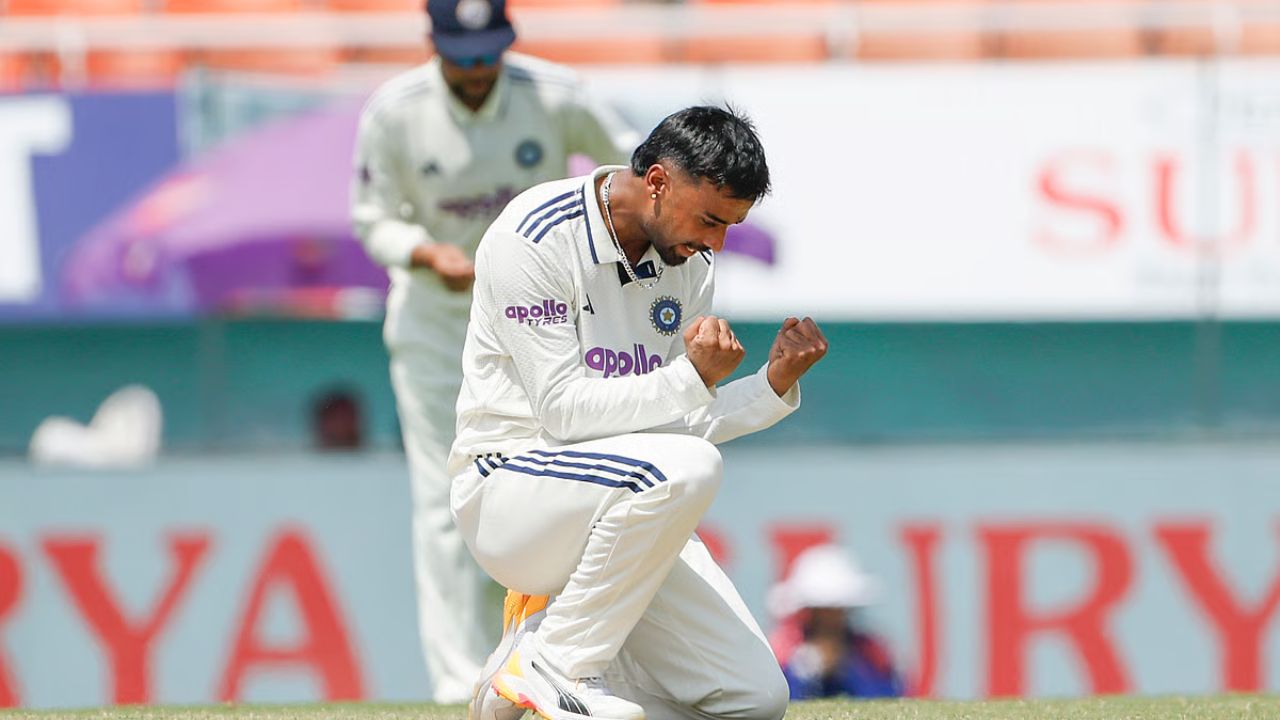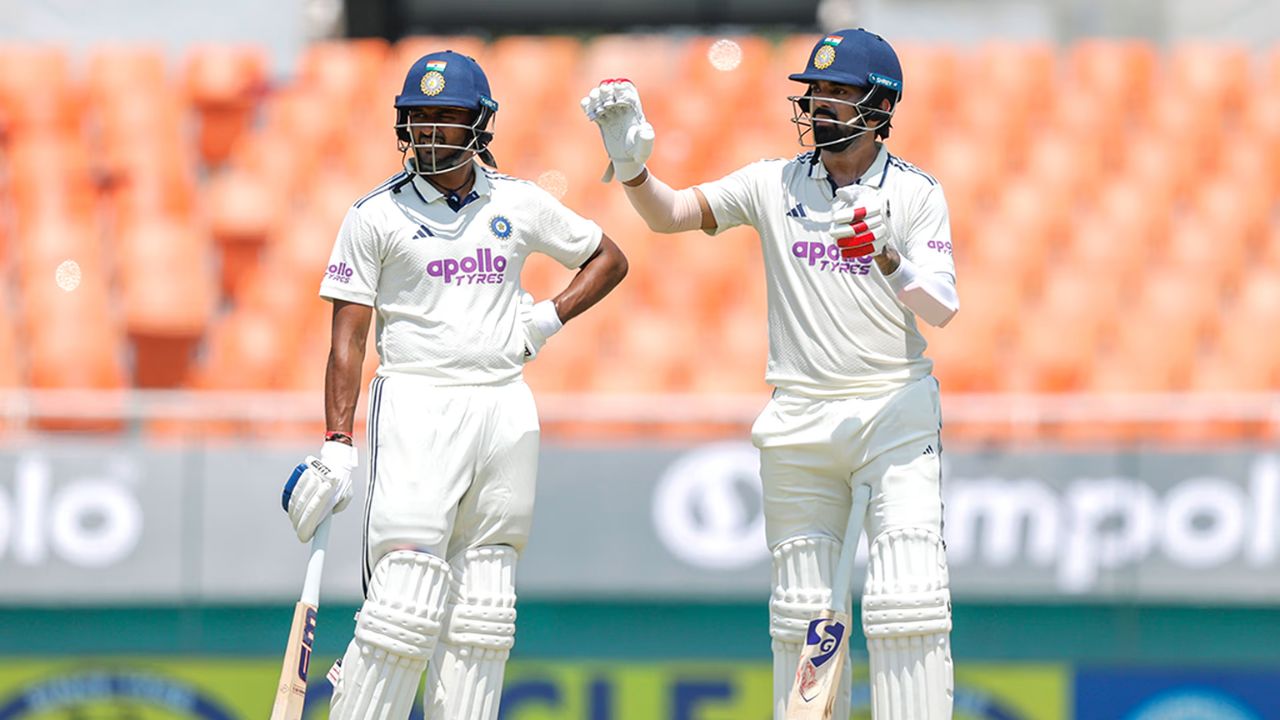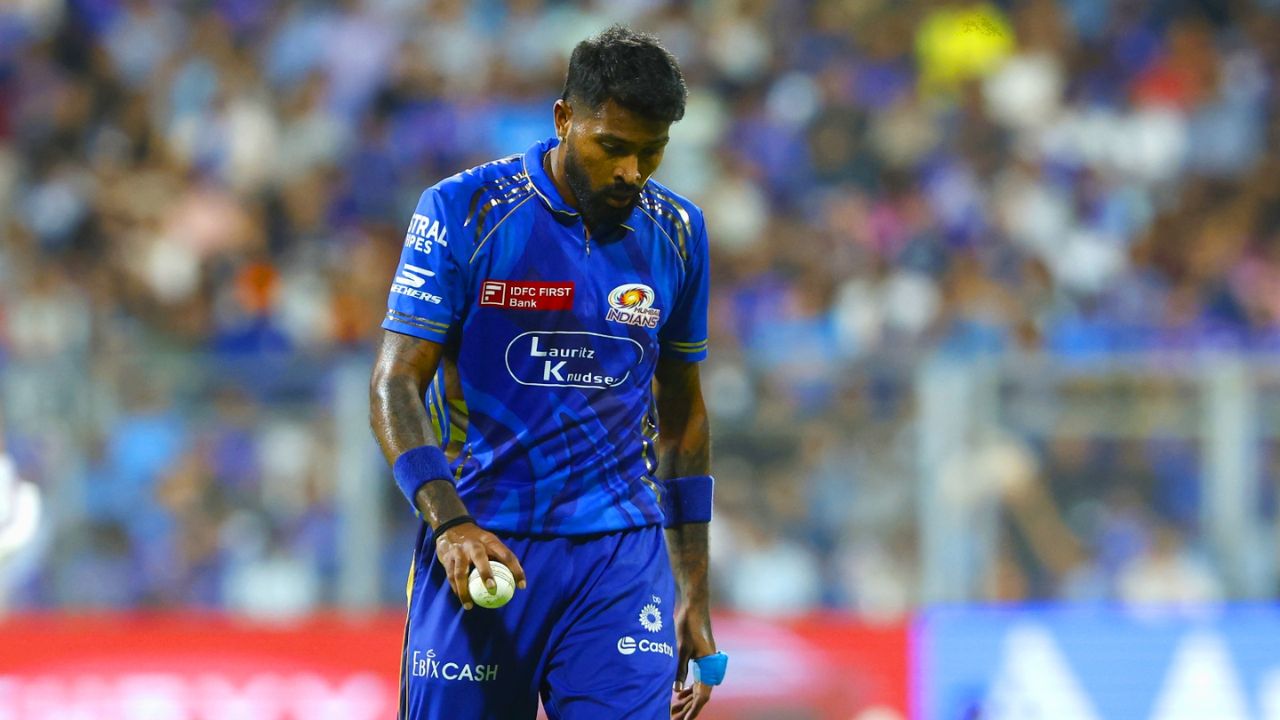
GT vs MI – Hardik Pandya की कहानी IPL में हमेशा straight line नहीं रही—ये peaks और dips का graph है। Gujarat Titans के साथ उन्होंने जिस confidence और clarity के साथ team को lead किया, वही Hardik जब Mumbai Indians में लौटे… तो narrative अचानक बदल गया। Numbers वही player के हैं—लेकिन impact बिल्कुल अलग।
और यहीं से असली सवाल शुरू होता है—
क्या Hardik Pandya अच्छे captain हैं… या system उन्हें define करता है?
GT में Hardik—instant success, clear identity
2022 में जब Gujarat Titans नई टीम के रूप में आई, तो expectations limited थीं। लेकिन Hardik Pandya ने उस team को सिर्फ lead नहीं किया—उन्होंने उसे shape दिया।
| Season | Result |
|---|---|
| 2022 | Champions |
| 2023 | Runner-up |
31 मैचों में:
- 22 जीत
- 9 हार
- ~70% win rate
ये numbers elite category में आते हैं।
लेकिन सिर्फ जीत ही नहीं—GT की identity clear थी:
- disciplined bowling
- smart chasing
- role clarity
और Hardik खुद भी:
- 833 runs
- 11 wickets
यानी—captain + contributor = complete package
MI में entry—decision जिसने narrative बदल दिया
2024 में Mumbai Indians ने एक bold move लिया:
- all-cash deal में Hardik को लाया
- Rohit Sharma को captaincy से हटाया
- Hardik को सीधा captain बनाया
Paper पर ये logical लग सकता था—future planning, transition।
लेकिन ground पर?
emotional backlash।
- fans unhappy
- dressing room dynamics questioned
- expectations sky-high
और यहीं से pressure शुरू हुआ।
MI में numbers—जहां कहानी उलटी हो गई
Hardik Pandya as MI captain:
| Matches | Wins | Losses | Win % |
|---|---|---|---|
| 33 | 14 | 19 | 42.42% |
अब compare करें:
- GT → ~70%
- MI → ~42%
ये drop छोटा नहीं है—ये identity shift है।
Individual performance—impact भी गिरा
GT phase:
- middle order anchor
- match-finisher
- bowling contributor
MI phase (3 seasons):
- 521 runs
- 27 wickets
ये numbers खराब नहीं हैं—लेकिन match-defining नहीं हैं।
और captain के लिए expectation अलग होती है।
GT vs MI—difference आखिर कहां है?
Surface पर answer simple लगता है—team difference।
लेकिन थोड़ा deep देखें:
1. Role clarity
GT:
- हर player का fixed role
- Hardik का position stable (No.3/4)
MI:
- batting order shuffle
- roles fluid
- Hardik खुद कभी finisher, कभी anchor
2. Dressing room dynamics
GT:
- new team → no baggage
- Hardik natural leader
MI:
- Rohit legacy
- senior खिलाड़ियों की मौजूदगी
- leadership transition friction
3. Expectations
GT:
- underdog → freedom
MI:
- 5-time champion → pressure
Captaincy—skill या situation?
Hardik के case में ये debate interesting है।
GT में:
- proactive decisions
- calm body language
- sharp game awareness
MI में:
- reactive calls
- visible pressure
- inconsistent strategy
तो क्या skill बदल गई?
शायद नहीं।
environment बदल गया।
Rohit Sharma shadow—unavoidable factor
Mumbai Indians में captain बनना आसान नहीं है—
क्योंकि आप सिर्फ team नहीं, legacy inherit करते हैं।
Rohit Sharma:
- 5 titles
- calm leadership
- big-match temperament
Hardik की हर move compare होती है—directly या indirectly।
और ये pressure invisible होता है—लेकिन heavy।
2026—breaking point या turnaround?
IPL 2026 की शुरुआत:
- opening win
- फिर 4 लगातार हार
ये phase dangerous है।
क्यों?
- confidence गिरता है
- criticism बढ़ता है
- dressing room pressure build होता है
और अब voices (जैसे Manoj Tiwary) openly captaincy change की बात कर रहे हैं।
क्या captain बदलना solution है?
Straight answer—partial solution।
अगर Rohit वापस captain बनते हैं:
Pros:
- stability
- experience
- instant confidence boost
Cons:
- long-term plan derail
- Hardik का role unclear
- dressing room split risk
Bigger picture—Hardik का real test
GT में Hardik को platform मिला—
MI में उन्हें resistance मिल रहा है।
और यहीं leadership की असली परीक्षा होती है।
Great captains:
- easy conditions में नहीं
- difficult phases में बनते हैं